Joy in Movement
✨Strong bones, strong YOU ✨
360 Fitness, Health & Wellbeing | MAY 27, 2025
menopause osteoporosis
menopause bone health
✨Strong bones, strong YOU ✨
Think lifting heavy isn't safe after menopause? Think again. 💥
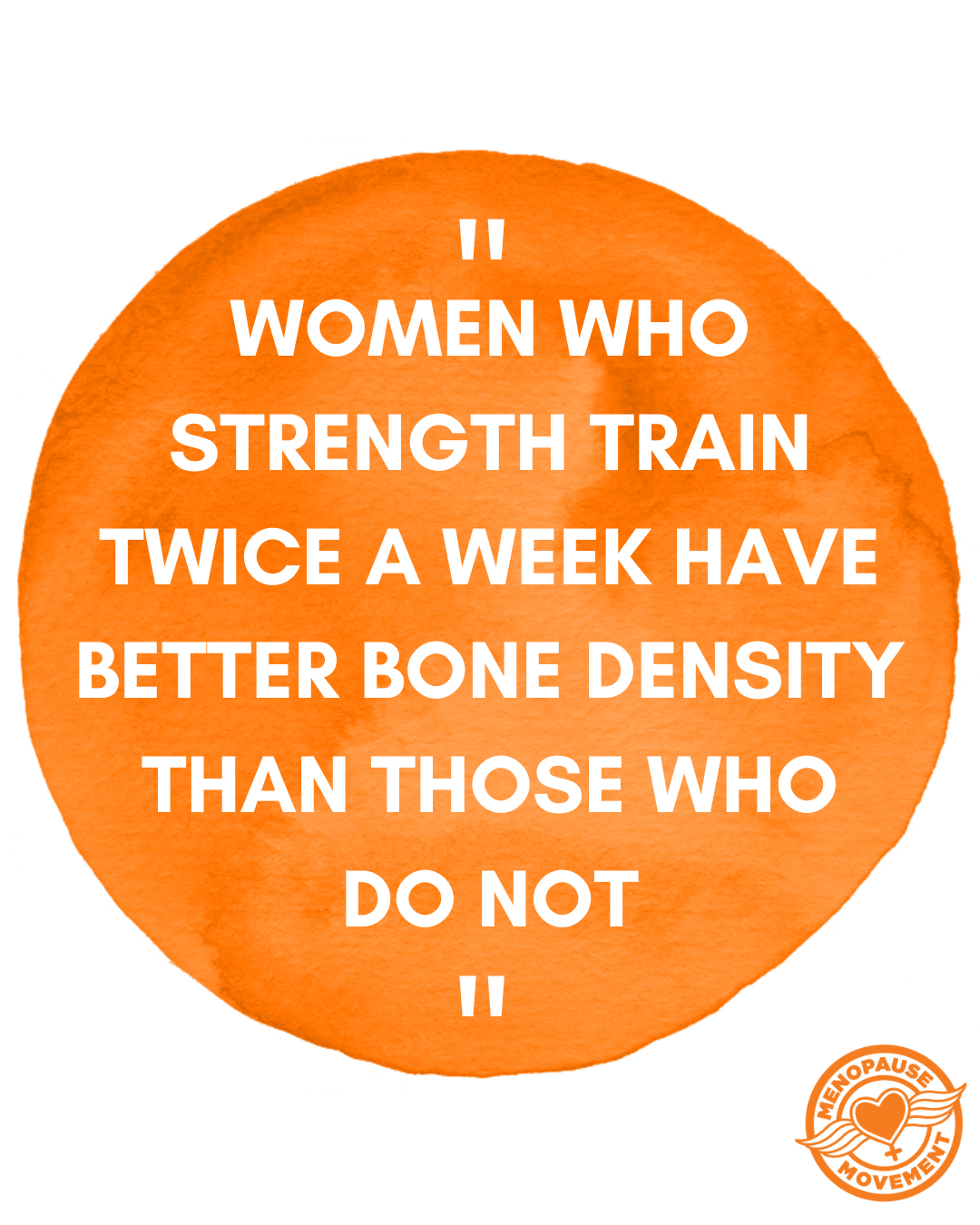
Research shows just 30 minutes, twice a week of high-intensity strength + impact training can boost bone mass, structure & strength — even in women with low bone density.
And the best part? ✅ No injuries, no setbacks.
Strength training during menopause is one of the most effective strategies to prevent or manage osteoporosis. Menopause brings a sharp decline in estrogen levels, which accelerates bone loss and increases the risk of osteoporotic fractures, especially in the spine, hips, and wrists. Here’s how strength training helps and how to get started:
✅ Benefits of Strength Training for Menopausal Women:
- Increases Bone Density
- Resistance training places stress on bones, stimulating bone formation and slowing bone loss.
- Improves Muscle Mass and Strength
- Stronger muscles help support and protect bones.
- Enhances Balance and Coordination
- Reduces the risk of falls, a major cause of fractures.
- Boosts Metabolism and Weight Management
- Important during menopause, when metabolism often slows.
- Improves Mood and Cognitive Function
- Exercise, including strength training, can reduce menopausal symptoms like depression and brain fog.
💪 Recommended Strength Training Exercises:
Focus on weight-bearing and resistance exercises that target major muscle groups.
Examples:
- Bodyweight exercises: squats, lunges, push-ups
- Free weights/dumbbells: shoulder press, bicep curls, deadlifts
- Resistance bands: rows, lateral walks
- Machines (if at a gym): leg press, chest press, lat pulldown
- Weight-bearing cardio: brisk walking, stair climbing
🧭 Training Guidelines:
- Frequency: 2–3 times per week (non-consecutive days)
- Repetitions: 8–12 reps per exercise
- Sets: 1–3 sets
- Progression: Gradually increase resistance as strength improves
⚠️ Precautions:
- Get a bone density test (DEXA scan) if at risk for osteoporosis.
- Work with a physical therapist or certified trainer if you’re new or have known osteoporosis.
- Avoid high-impact or spinal flexion exercises if you already have low bone density (e.g., no crunches or deep forward bends).
💪 It’s never too late to get stronger.
Your future self will thank you.
#MidlifeStrong #BoneHealth #MenopauseWellness #StrengthTrainingForWomen #FitOver50 #OsteoporosisPrevention #WomenWhoLift #HealthyAging
360 Fitness, Health & Wellbeing | MAY 27, 2025
Share this blog post

© 2026 360 Fitness. Health. Wellbeing